
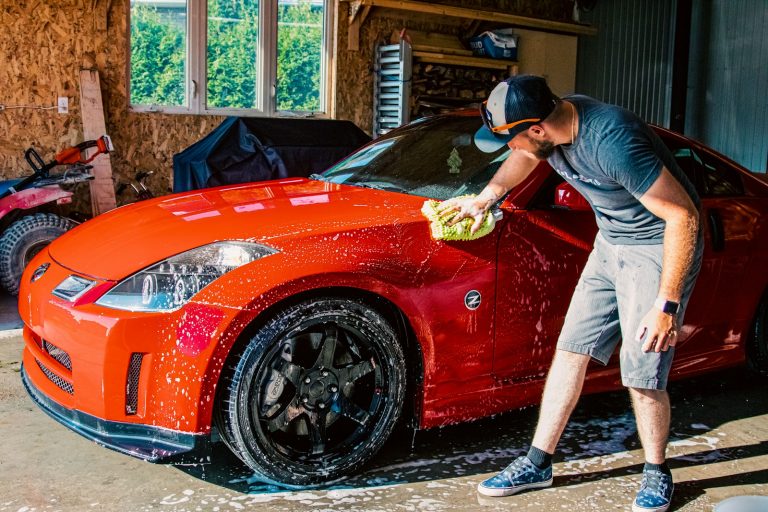
Keeping your car clean is not just about appearance. Regular washing protects the paint, prevents corrosion, and preserves resale value.
However, many car owners unknowingly create swirl marks and micro-scratches during routine cleaning.
Understanding how to wash car without damaging paint is essential if you want your vehicle to maintain a glossy, smooth finish for years.
A poor washing technique can dull the clear coat in a matter of months, especially on dark-colored cars where scratches are more visible.
This comprehensive guide explains the correct tools, methods, and maintenance schedule to help you clean your vehicle safely and effectively.
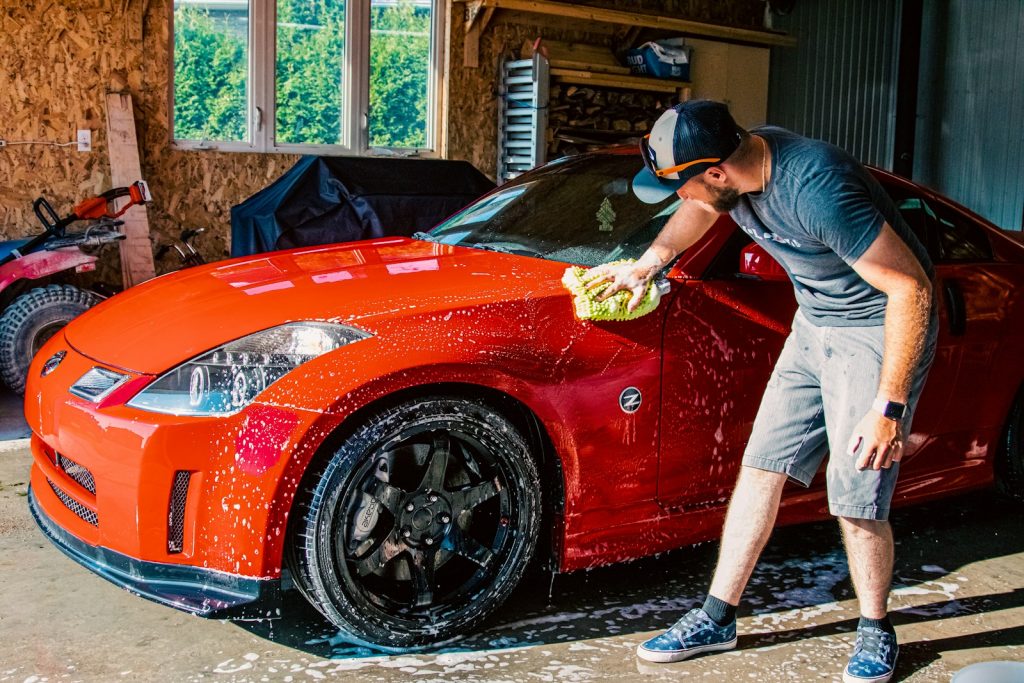
Why Proper Washing Technique Matters
Car paint consists of multiple layers: primer, base coat, and clear coat.
The clear coat is the outer protective layer that gives your vehicle its shine. Although durable, it is not scratch-proof.
Learning how to wash car without damaging paint starts with understanding that dirt particles act like sandpaper.
When you drag a dirty sponge across the surface, those particles create tiny scratches known as swirl marks.
Over time, these small imperfections accumulate. The paint begins to look cloudy, especially under sunlight.
Correct technique minimizes friction and safely removes contaminants without harming the finish.
Common Paint Damage Caused by Incorrect Washing
Improper methods can result in:
- Swirl marks and holograms
- Water spots from mineral deposits
- Etching from bird droppings
- Premature oxidation
- Clear coat thinning
Repairing paint damage can cost anywhere from $300 for light polishing to over $2,000 for full repainting.
Preventing damage is far more affordable than correcting it.
Choosing the Right Tools and Products
One of the most important aspects of how to wash car without damaging paint is selecting the proper equipment.
Using household cleaning tools or detergents may strip protective layers and scratch the surface.
1. Essential Washing Equipment
Invest in high-quality materials designed specifically for automotive use.
You do not need professional-grade equipment, but the basics matter.
Recommended tools include:
- Two buckets (one for soap, one for rinsing)
- Grit guards for buckets
- pH-balanced car shampoo
- Microfiber wash mitt
- Large microfiber drying towels
- Hose with adjustable spray nozzle
Avoid dish soap. It removes wax and protective sealants, leaving paint exposed.
2. Optional but Helpful Accessories
For better results, consider:
- Foam cannon for pre-washing
- Soft wheel brushes
- Detailing brush for tight areas
- Quick detailer spray
A basic home washing setup may cost between $50 and $150, depending on product quality.
Using the right tools significantly improves your ability to practice how to wash car without damaging paint consistently.
Step-by-Step Safe Washing Process
Following a structured method ensures you remove dirt efficiently while minimizing risk.
Rushing the process often leads to mistakes.
1. Wash in the Right Environment
Always wash your vehicle in a shaded area. Direct sunlight causes soap and water to dry too quickly, leaving water spots.
Early morning or late afternoon is ideal. The surface should feel cool to the touch before you begin.
2. Pre-Rinse Thoroughly
Start by rinsing the entire vehicle from top to bottom. This step removes loose dirt and reduces friction during contact washing.
Pay extra attention to lower panels and wheel wells where road grime accumulates.
This initial rinse is critical when learning how to wash car without damaging paint.
Because it removes abrasive debris before you touch the surface.
3. Use the Two-Bucket Method
Fill one bucket with soapy water and another with clean water.
After washing a panel, rinse your mitt in the clean water bucket before dipping it back into soap.
This method prevents dirt from re-entering your wash solution.
Work in sections:
- Roof
- Windows
- Hood and trunk
- Upper doors
- Lower panels
Clean the dirtiest areas last.
4. Use Gentle, Straight Motions
Avoid circular scrubbing. Instead, use straight-line motions with light pressure.
If you drop your mitt on the ground, replace or thoroughly rinse it before continuing.
Small stones trapped in the fibers can cause scratches.
Applying these techniques consistently reinforces how to wash car without damaging paint effectively.
5. Rinse and Dry Immediately
After washing, rinse the vehicle completely. Do not allow soap to dry on the surface.
Use a large microfiber drying towel and gently blot or glide it across the paint.
Avoid air drying, as it can leave mineral spots.
A proper drying method is just as important as washing when practicing how to wash car without damaging paint.
Cleaning Wheels Without Spreading Contamination
Wheels collect brake dust and metallic particles.
Cleaning them improperly can spread contaminants to painted surfaces.
Always wash wheels separately using dedicated brushes and tools.
Start with wheels before washing the body. This prevents splashing dirt onto clean paint later.
Wheel cleaners typically cost $10–$20 and are designed to break down brake dust safely.
Maintaining separation between wheel tools and paint tools, is a simple but crucial step in how to wash car without damaging paint.
Dealing with Stubborn Contaminants
Standard washing removes surface dirt, but some contaminants bond to the clear coat.
1. Removing Bird Droppings and Tree Sap
These substances are acidic and can etch paint within hours.
Use a microfiber towel soaked in warm water and gently lift the residue. Avoid scraping.
Also Read: How to Remove Tree Sap from Car Without Damaging Paint
2. Clay Bar Treatment
A clay bar removes embedded contaminants that washing alone cannot eliminate.
After washing and drying:
- Spray clay lubricant on a small section
- Glide clay gently over the surface
- Wipe clean
Claying should be done 2–3 times per year.
While this goes beyond regular washing, it supports the overall goal of how to wash car without damaging paint by maintaining a smooth surface.
Protecting Paint After Washing
Cleaning removes dirt, but protection prevents future damage.
Applying wax or sealant creates a barrier between paint and environmental contaminants.
1. Car Wax
Wax enhances shine and typically lasts 8–12 weeks. Apply a thin, even layer and buff gently.
2. Paint Sealant
Sealants offer longer protection, up to six months. They are ideal for harsh climates.
Protection reduces friction during future washes, making it easier to maintain how to wash car without damaging paint over time.
How Often Should You Wash Your Car?
Frequency depends on driving conditions and environment.
For most drivers:
- Every 1–2 weeks in urban areas
- Weekly during winter (to remove road salt)
- After long road trips
Regular washing prevents buildup that requires aggressive cleaning.
If you live near the ocean, salt exposure may require more frequent rinsing.
Maintaining a consistent schedule makes how to wash car without damaging paint part of routine vehicle care rather than an occasional task.
Automatic Car Wash vs Hand Washing
Automatic car washes are convenient but not always safe.
Brush-style washes may cause micro-scratches. Touchless systems are safer but may use strong chemicals that strip wax.
Hand washing at home gives you full control over technique and materials.
If you must use an automatic wash, choose touchless options and reapply protection afterward.
For those serious about preserving paint quality, mastering how to wash car without damaging paint by hand remains the safest approach.
Professional Perspective from Hands-On Experience
Our team has visited professional detailing studios and observed paint correction processes up close.
In several cases, vehicles less than three years old required machine polishing due to improper washing habits.
Detailers consistently pointed out that swirl marks often result from using a single bucket or dirty sponge.
On the other hand, cars maintained with the two-bucket method and microfiber tools showed minimal paint defects even after years of daily driving.
These observations reinforce how critical correct technique is in protecting automotive finishes.
Common Mistakes to Avoid
Even small errors can compromise your results.
Avoid these common mistakes:
- Using household detergents
- Washing under direct sunlight
- Reusing dirty towels
- Skipping pre-rinse
- Applying excessive pressure
Correcting these habits dramatically improves results and ensures success when learning how to wash car without damaging paint.
Conclusion
Maintaining your vehicle’s finish requires more than soap and water.
Proper tools, correct technique, and consistent maintenance all play a role.
By understanding hfow to wash car without damaging paint, you protect your vehicle’s clear coat, preserve its shine, and maintain long-term value.
From selecting microfiber mitts to following the two-bucket method and applying protective wax, every step matters.
Regular care prevents expensive repairs and keeps your car looking its best.
With patience and attention to detail, you can achieve professional-level results at home while keeping your paint smooth, glossy, and damage-free for years to come.
You May Also Like: Paint Protection Film (PPF) vs Ceramic Coating