
Tires are the only part of a vehicle that touches the road, so their condition directly affects safety, fuel economy, and ride comfort.
A focused approach to tire care reduces the risk of blowouts, improves braking performance, and extends the life of your investment.
This guide explains practical steps, inspection routines, and safety practices every driver should know.
Good tire care begins with understanding pressure, tread, alignment, and load limits.
Regular checks and timely interventions prevent many common problems and keep handling predictable in wet, dry, or icy conditions.
Read on for a structured checklist, realistic cost estimates, and professional tips to keep your vehicle safe and efficient.
Why Tire Care Matters
Tires influence braking distance, cornering stability, and fuel consumption.
Underinflated tires increase rolling resistance and heat buildup, which shortens tire life and raises the chance of a failure.
Overinflated tires reduce the contact patch, causing uneven wear and compromised grip.
Tread depth determines how well a tire channels water and maintains traction.
Worn tread increases hydroplaning risk and lengthens stopping distances.
Proper rotation, alignment, and balancing distribute wear evenly and preserve handling characteristics.
Beyond safety, well-maintained tires save money. Replacing tires prematurely because of neglect costs more than routine inspections and rotations.
A proactive approach also supports better fuel economy—properly inflated tires can improve mileage by up to 3–4 percent in many driving conditions.
Basic Tire Anatomy and Labels
Understanding tire markings helps you choose the right replacement and maintain correct specifications.
Each tire sidewall contains a wealth of information: size, load index, speed rating, and manufacturing date.
- Size example: 205/55 R16 91V — 205 mm tread width, 55% aspect ratio, radial construction, 16-inch rim, load index 91, speed rating V.
- DOT code: indicates manufacturing week and year; for example, 2319 means the 23rd week of 2019.
- Treadwear indicators: small raised bars in grooves that show when tread reaches the legal minimum.
Knowing these details ensures you replace tires with compatible sizes and ratings, preserving handling and safety.
Mismatched tires or incorrect load ratings can stress suspension components and reduce stability.
Routine Inspection Checklist
A monthly visual inspection takes only a few minutes but catches many issues early. Use the following checklist to make inspections systematic and effective.
- Check tire pressure with a reliable gauge when tires are cold.
- Inspect tread depth across the width and look for uneven wear.
- Look for cuts, bulges, or embedded objects in the sidewall and tread.
- Verify valve stems and caps are intact and not leaking.
- Examine wheel rims for bends, cracks, or corrosion.
If you find nails or screws embedded in the tread, do not remove them immediately; note the location and have the tire professionally repaired or replaced.
Sidewall damage and large punctures usually require replacement rather than repair.
How to Measure and Maintain Tire Pressure
Correct tire pressure is the single most important maintenance task for longevity and safety.
Check pressure at least once a month and before long trips, using the vehicle manufacturer’s recommended values found on the driver’s door placard or owner’s manual.
Measure pressure when tires are cold—after the car has been parked for at least three hours or driven less than a mile.
For every 10°F (about 5.5°C) change in ambient temperature, tire pressure changes roughly 1–2 psi, so seasonal adjustments are necessary.
Underinflation causes excessive heat and sidewall flexing; overinflation concentrates wear in the center tread and reduces traction.
Use a quality gauge and a portable air compressor or visit a service station to top up pressure. Keep a small, accurate gauge in the glovebox for quick checks.
Tread Depth, Wear Patterns, and When to Replace
Tread depth affects traction and water evacuation. The legal minimum in many regions is 2/32 inch (1.6 mm), but replacing tires at 4/32 inch (3.2 mm) improves wet-weather safety.
Use a tread depth gauge or the penny test—insert a coin into the groove; if the top of the coin is visible, the tread is too low.
Uneven wear patterns reveal underlying issues:
- Center wear suggests overinflation.
- Edge wear indicates underinflation.
- One-sided wear points to misalignment.
- Feathering or cupping often signals suspension or balance problems.
Rotate tires every 5,000–8,000 miles to even out wear. Front-wheel-drive vehicles typically show faster front tire wear; rotating front to rear and cross-rotating helps extend life.
When tread reaches replacement thresholds or shows irregular wear, replace the affected tires in matched pairs or sets to maintain balanced handling.
Alignment, Balancing, and Suspension Impact
Proper wheel alignment keeps tires tracking straight and wearing evenly. Misalignment causes steering pull, vibration, and rapid uneven wear.
Have alignment checked if you notice pulling, steering wheel off-center, or after hitting a curb or pothole.
Wheel balancing prevents vibration at speed and reduces premature wear on bearings and suspension.
Balancing uses small weights to correct rotational imbalances; expect to rebalance when installing new tires or after a repair.
Suspension components—shocks, struts, bushings, and ball joints—affect tire contact with the road.
Worn parts cause irregular wear and handling issues. Inspect suspension annually or when you detect excessive bounce, noise, or instability.
Seasonal Considerations and Tire Choices
Different seasons demand different tire strategies. Choosing the right tire type and adjusting maintenance routines improves safety and performance.
- Summer tires: optimized for warm temperatures and dry grip; they harden in cold weather and lose traction below about 45°F (7°C).
- All-season tires: balanced for year-round use in mild climates; they compromise between summer and winter performance.
- Winter tires: designed with softer compounds and deeper tread patterns for snow and ice; they significantly improve braking and cornering in cold conditions.
- All-terrain and off-road tires: built for durability and traction on rough surfaces but may wear faster on pavement.
If you live in an area with regular snow and ice, invest in a dedicated winter tire set and swap them seasonally.
Expect to pay $400–$1,000 for a quality four-tire set depending on size and brand, plus mounting and storage costs.
Repair Versus Replacement: Making the Right Call
Not all tire damage is repairable. Small punctures in the tread area can often be repaired with a plug-and-patch combination if the hole is within repairable size limits (commonly up to 1/4 inch or 6 mm).
Repairs must be performed from the inside to ensure a secure seal.
Do not repair sidewall punctures, large gashes, or damage near the shoulder.
Bulges, separations, and exposed cords indicate internal structural failure and require immediate replacement.
When in doubt, consult a certified tire technician who can assess internal damage and recommend safe options.
Tire Storage and Seasonal Swapping
Proper storage preserves tire life when you swap seasonal sets. Clean tires thoroughly to remove brake dust and road grime, then dry them completely.
Store tires in a cool, dry place away from direct sunlight and ozone sources like electric motors.
If storing mounted tires, keep them inflated to recommended pressure and stack them vertically or hang them on racks. For unmounted tires, store them upright and rotate periodically to avoid flat spots.
Use tire covers or opaque bags to reduce UV exposure and prevent rubber degradation.
Also Read: Car Brake Maintenance Simple Guide
TPMS and Modern Monitoring Systems
Many modern vehicles include a Tire Pressure Monitoring System (TPMS) that alerts drivers to low pressure.
TPMS sensors can be direct (pressure sensors inside each wheel) or indirect (using ABS wheel speed data).
Direct systems require battery-powered sensors that may need replacement every 5–10 years.
Do not rely solely on TPMS; it warns only when pressure drops below a threshold and may not detect slow leaks or small pressure differences.
Continue monthly manual checks and treat TPMS as a helpful supplement rather than a replacement for routine maintenance.
Safety Practices and Emergency Preparedness
Safe tire maintenance includes being prepared for roadside incidents.
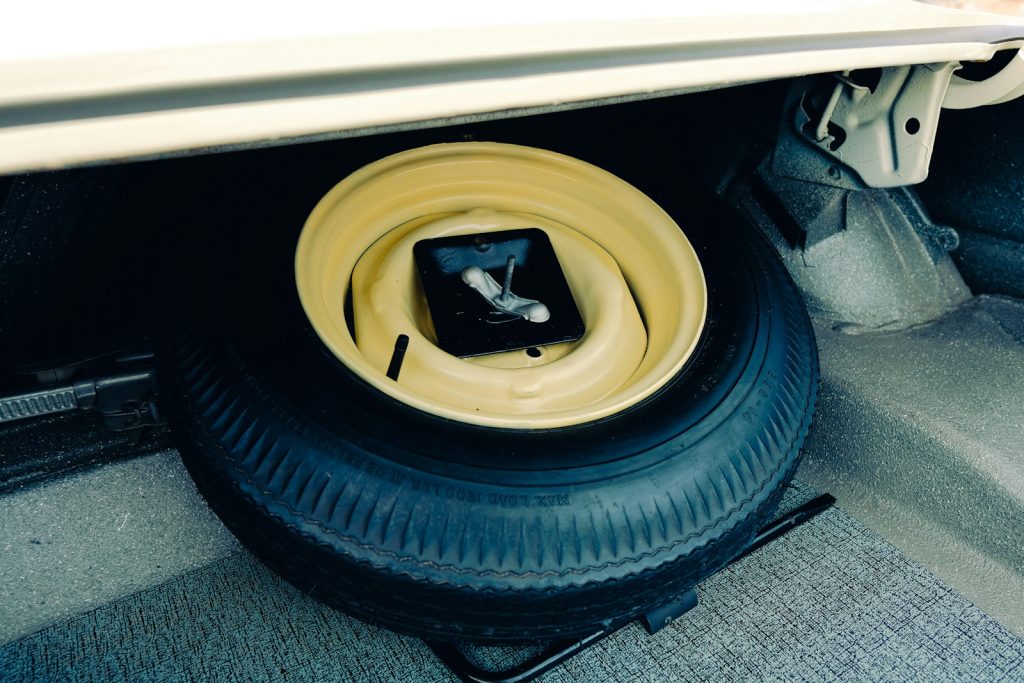
Keep a functional spare, jack, and lug wrench in the vehicle, and know how to change a tire safely.
Many modern cars have compact spares or run-flat tires; understand your vehicle’s equipment and limitations.
Carry a basic emergency kit: reflective triangle, flashlight, gloves, and a tire pressure gauge.
For long trips, include a portable air compressor and a tire repair kit rated for temporary repairs.
If you experience a blowout, maintain a firm grip on the steering wheel, avoid hard braking, and gradually slow to a safe stop.
Environmental and Economic Considerations
Tire selection and maintenance affect fuel consumption and environmental impact.
Low rolling resistance tires improve fuel economy by reducing energy lost to deformation.
Proper inflation and alignment also reduce fuel use and CO₂ emissions over the tire’s life.
When disposing of tires, use authorized recycling centers. Many regions have tire recycling programs that repurpose rubber for playground surfaces, asphalt, or energy recovery.
Replacing tires at the right time and choosing durable, efficient models reduces waste and long-term ownership costs.
Practical Cost Estimates and Lifespan Expectations
Tire costs vary by size, brand, and performance category. Expect the following approximate ranges:
- Economy all-season: $70–$120 per tire.
- Mid-range touring: $120–$200 per tire.
- Performance or SUV tires: $200–$400 per tire.
- Winter tires: $100–$300 per tire.
Tire lifespan depends on driving habits, road conditions, and maintenance.
Many tires last 40,000–70,000 miles under normal use; high-performance tires may wear faster.
Keep records of purchase date, rotation intervals, and tread depth to plan replacements proactively.
Quick Reference: Daily and Monthly Actions
- Daily: Visual walk-around before long trips; check for obvious damage.
- Monthly: Measure tire pressure and inspect tread and sidewalls.
- Every 5,000–8,000 miles: Rotate tires and inspect alignment.
- Annually: Professional alignment check, suspension inspection, and TPMS sensor test.
These simple routines prevent many common failures and keep handling predictable.
Experience Perspective
Our team has spent years covering roadside assistance calls, visiting tire shops, and observing how maintenance habits affect outcomes.
We have seen drivers avoid costly blowouts by catching slow leaks early and witnessed how seasonal tire swaps prevented accidents on icy roads.
Field experience shows that a small monthly time investment—checking pressure and tread—reduces the likelihood of emergency repairs and improves overall safety.
These real-world encounters shaped the practical, prioritized advice in this guide.
Conclusion
Car tire maintenance protects lives, improves fuel economy, and extends the life of your tires.
Regular pressure checks, tread inspections, timely rotations, and proper seasonal choices form the backbone of safe tire care.
Combine these routines with professional inspections for alignment, balancing, and suspension health to maintain predictable handling and reduce unexpected costs.
Use the checklists and practical tips in this guide to build a simple maintenance habit.
With consistent attention, you’ll enjoy safer driving, better performance, and longer-lasting tires—an outcome that benefits both your wallet and your peace of mind.
Also Read: The Ultimate Car Maintenance Guide