A clear Car Maintenance Checklist helps you protect your investment, avoid unexpected breakdowns, and keep repair costs predictable. Regular attention to wear items and fluids preserves performance, improves fuel economy, and enhances safety for drivers and passengers.
This guide lays out a practical, prioritized service plan you can follow month to month and mile to mile. It explains what to check, when to replace common parts, which tasks you can do yourself, and when to call a professional. Use this checklist to build a routine that fits your driving habits and local conditions.
Why a checklist matters
Cars are complex systems with many interdependent parts. Small issues—low oil, worn brake pads, or a loose belt—can cascade into major repairs if ignored. A checklist turns maintenance into manageable steps and reduces the chance of missing critical items before a long trip or seasonal change.
Keeping records of inspections and services also increases resale value and helps technicians diagnose recurring problems faster. A disciplined approach saves time, money, and stress over the life of the vehicle.
Essential monthly checks
Performing a few simple checks every month takes 10–20 minutes and prevents many common failures. These quick inspections are the foundation of any effective maintenance routine.
Check engine oil level and color using the dipstick; top up with the recommended oil if the level is low. Inspect coolant level in the overflow tank and look for discoloration or oil contamination. Verify tire pressure with a gauge and inspect tread for uneven wear or embedded objects.
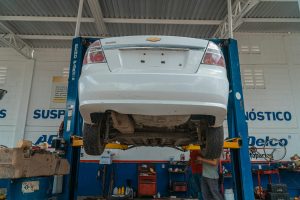
Test all exterior lights and replace any burned bulbs. Check windshield washer fluid and wiper blade condition; replace blades that streak or skip. Finally, look under the car for fresh fluid leaks and note any unusual puddles or drips.
Essential quarterly tasks
Every three months or roughly every 3,000–5,000 miles, perform slightly deeper maintenance to keep systems healthy and catch wear early.
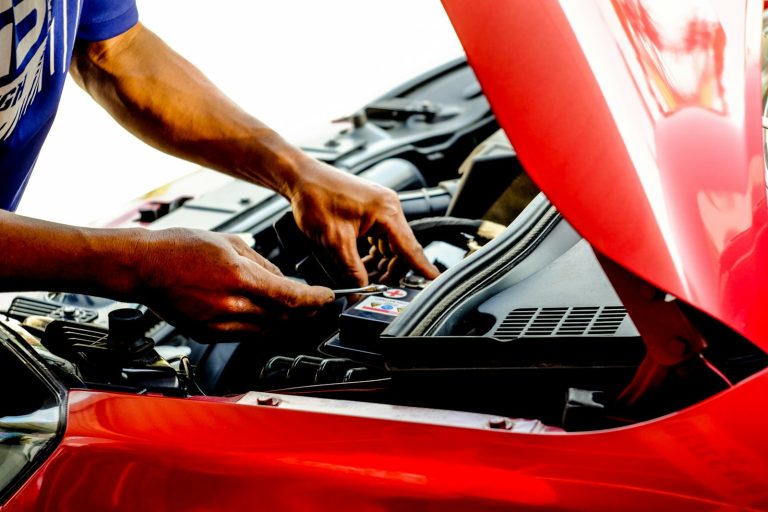
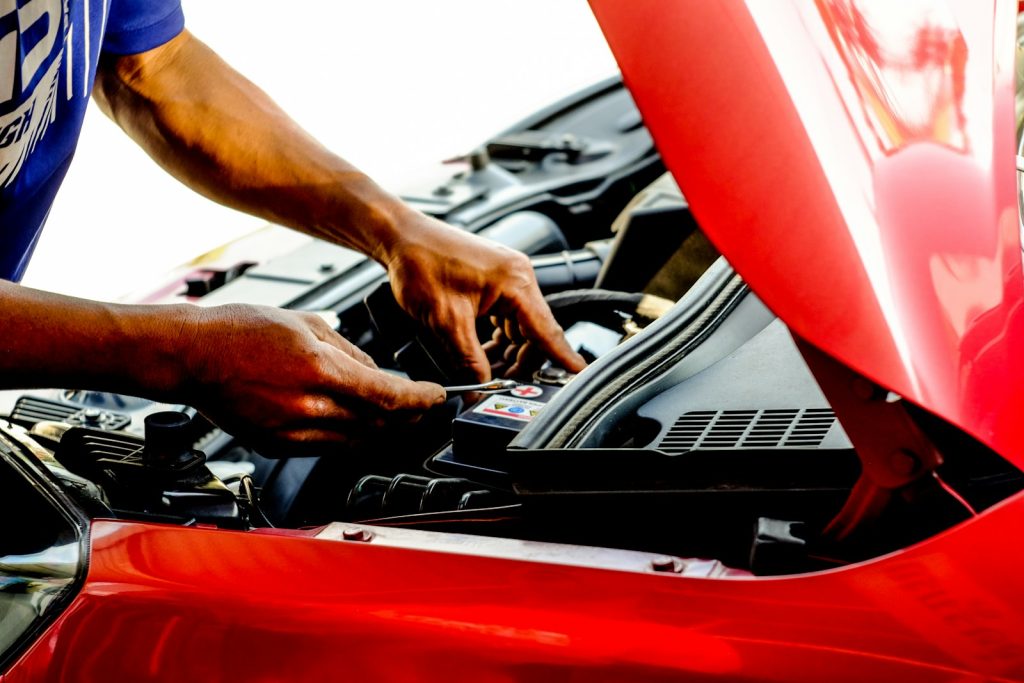
Rotate tires to even out tread wear and extend tire life. Inspect brake pads and rotors for thickness and scoring; replace pads before they reach the manufacturer’s minimum thickness to avoid rotor damage. Clean battery terminals and check for secure mounting and corrosion.
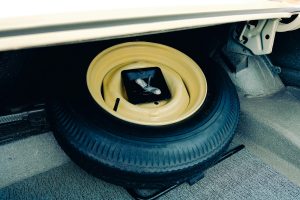
Inspect belts and hoses for cracks, glazing, or soft spots; replace any components that show deterioration. Clean or replace the cabin air filter to maintain HVAC performance and interior air quality. Check the spare tire and tools to ensure they are ready if needed.
Periodic services and mileage milestones
Major services occur at longer intervals and often require professional tools or expertise. These milestones protect critical systems and prevent costly failures.
30,000 miles (or every 2–3 years)
Replace the engine air filter and inspect the fuel filter if applicable. Service the transmission fluid if the manufacturer recommends it; for many vehicles this falls between 30,000 and 60,000 miles. Inspect the cooling system and consider a coolant flush if the fluid is old or contaminated.
60,000 miles
Replace the timing belt if your engine uses one; failure can cause catastrophic engine damage. Inspect the water pump, serpentine belt, and major seals. Replace spark plugs and ignition components as recommended to maintain fuel efficiency and smooth operation.
90,000–100,000 miles
Consider a comprehensive drivetrain inspection, including differential and transfer case fluids for all-wheel-drive vehicles. Replace major wear items such as suspension bushings, control arms, and wheel bearings if they show play or noise.
These intervals vary by make and model; always consult the owner’s manual for manufacturer-specific guidance.
Seasonal and pre-trip checks
Adjust maintenance priorities for seasonal weather and long journeys. Preparing the car for extremes reduces the risk of weather-related failures.
Before summer, inspect the cooling system, test the thermostat, and verify A/C performance. Replace coolant if it is due and check radiator hoses for swelling or soft spots. For winter, test battery capacity and consider replacing batteries older than three to five years; cold weather reduces cranking power.
Before a long trip, perform a focused pre-trip inspection: oil level and condition, coolant level, tire pressure and tread, brake responsiveness, lights, and a quick scan for leaks. Pack an emergency kit with jumper cables, a flashlight, basic tools, and a first-aid kit.
Brake, tire, and suspension focus
Brakes, tires, and suspension components directly affect safety and handling. Prioritize these systems in your maintenance plan.
Measure brake pad thickness and listen for squeal indicators; replace pads before metal-on-metal contact occurs. Inspect rotors for warping and scoring; resurfacing or replacement may be necessary if runout exceeds manufacturer limits.
Maintain correct tire pressure and rotate tires every 5,000–8,000 miles. Replace tires when tread depth approaches 3/32 inch for wet traction concerns; many drivers replace at 4/32–5/32 inch for better safety in rain. Check wheel alignment if you notice pulling or uneven wear; alignment typically costs $75–$150.
Inspect shocks and struts for leaks and reduced damping. Worn suspension parts increase tire wear and reduce control; replacing a pair of shocks can cost $200–$600 including labor.
Fluids, filters, and belts: what to replace and when
Fluids and filters protect moving parts and prevent overheating and corrosion. Replacing them at the right intervals preserves component life.
Change engine oil and filter according to the manufacturer—commonly every 5,000–10,000 miles for modern synthetic oils. Replace the transmission fluid and filter per the service schedule; some newer transmissions have extended or sealed intervals, but towing or heavy use requires more frequent service.
Flush brake fluid every 2–3 years to remove moisture that reduces boiling point and causes corrosion. Replace power steering fluid and coolant at manufacturer intervals; coolant often lasts 30,000–60,000 miles depending on type.
Inspect and replace the serpentine belt and timing belt per the recommended mileage. A timing belt replacement typically costs $300–$1,000 depending on engine layout and whether the water pump is replaced at the same time.
Electrical and battery care
Electrical faults cause many roadside failures. Regular checks reduce the chance of being stranded.
Clean battery terminals and apply anti-corrosion spray. Test battery voltage and load capacity annually after two years of service. Verify alternator output—system voltage should read about 13.8–14.6 volts with the engine running.
Inspect wiring harnesses for chafing and secure loose connectors. Replace worn fuses with the correct amperage and keep spare fuses and bulbs in the glovebox.
DIY tasks versus professional services
Knowing which tasks you can safely perform saves money and prevents mistakes. Simple checks and replacements are DIY-friendly; complex repairs require a shop.
DIY-friendly:
- Checking and topping off fluids.
- Replacing wiper blades, cabin air filters, and engine air filters.
- Measuring tire pressure and rotating tires if you have proper equipment.
- Replacing bulbs and fuses.
Professional services:
- Transmission service and pressure testing.
- Timing belt replacement and major engine repairs.
- Brake system overhauls involving calipers and hydraulic lines.
- Complex electrical diagnostics and ECU programming.
When in doubt, consult the owner’s manual and consider the safety implications of the task.
Also Read: How Often Should You Service Your Car?
Tools and supplies to keep on hand
A small set of tools and supplies enables basic maintenance and emergency repairs. Invest in quality items that match your vehicle’s needs.
- Tire pressure gauge and portable air compressor.
- Basic socket set, screwdrivers, and pliers.
- Jack and jack stands rated for your vehicle.
- Funnel, drain pan, and gloves for fluid work.
- Multimeter for basic electrical checks.
- Jumper cables or a portable jump starter.
- Spare fuses, bulbs, and a compact tool kit.
These items cover most routine tasks and reduce the need for immediate roadside assistance.
Practical checklist (printable)
Use this concise list as a quick reference for monthly, quarterly, and annual tasks. It helps you stay organized and communicate clearly with service providers.
- Check engine oil level and color.
- Inspect coolant level and hoses.
- Verify tire pressure and tread depth.
- Rotate tires every 5,000–8,000 miles.
- Inspect brakes; replace pads before metal contact.
- Clean battery terminals and test battery.
- Replace air and cabin filters as needed.
- Inspect belts and replace if cracked or glazed.
- Check lights, wipers, and washer fluid.
- Scan for warning lights and address codes promptly.
Keeping a written log of these items with dates and mileage improves resale value and helps technicians diagnose issues faster.
Cost estimates and budgeting
Budgeting for maintenance prevents deferred service that leads to expensive repairs. Typical costs vary by region and vehicle, but the following ranges are realistic for most passenger cars.
- Oil change: $30–$120.
- Tire rotation and balance: $20–$80.
- Brake pad replacement: $100–$300 per axle.
- Battery replacement: $80–$250.
- Coolant flush: $80–$150.
- Transmission fluid service: $100–$400.
- Timing belt replacement: $300–$1,000.
Plan to spend roughly $200–$600 per year on routine maintenance for most vehicles; luxury or performance cars often require higher-cost parts and fluids.
Experience perspective
Our team has spent years visiting repair shops, assisting drivers on the roadside, and observing maintenance practices across many vehicle types. We have seen how a simple monthly check—cleaning battery terminals or topping up oil—prevented a breakdown and how deferred timing belt service led to engine damage that cost several thousand dollars to repair. Those field experiences shaped this checklist: prioritize fluids, brakes, tires, and belts, and keep clear records. Practical, consistent attention to these items delivers the best return on maintenance investment.
How to use this checklist effectively
Turn the checklist into a habit by scheduling reminders and keeping a maintenance log in the glovebox or a digital app. Before seasonal changes or long trips, run through the pre-trip items. When a warning light appears, record the code and recent events to help the technician diagnose the issue quickly.
If you sell the vehicle, present the log to buyers to demonstrate responsible ownership. A documented maintenance history often increases resale value and speeds the sale process.
Conclusion
A disciplined Car Maintenance Checklist keeps your vehicle safe, reliable, and economical. Focus on monthly checks, quarterly tasks, and mileage-based services while adapting intervals for severe driving conditions. Invest in a small set of tools, keep records, and know when to call a professional.
Start today by performing the quick monthly checks and creating a simple log. Over time, these small actions prevent major repairs, improve fuel economy, and give you confidence on the road. Use the checklist above as your foundation and tailor it to your vehicle and driving habits for the best long-term results.
Also Read: The Ultimate Car Maintenance Guide