Preventive care keeps a vehicle reliable, safe, and economical over the long term. Owners who adopt a consistent maintenance routine reduce the risk of sudden breakdowns and extend the useful life of major systems. This article explains practical strategies for preventive car care, focusing on actions that preserve durability, lower ownership costs, and maintain performance.
IPreventive Car Maintenance begins with understanding the systems that wear with use and age. A targeted plan addresses fluids, filters, brakes, tires, electrical components, and the cooling and drivetrain systems. By prioritizing these areas, drivers can avoid many common failures and keep repair bills predictable.
This guide outlines step-by-step checks, seasonal adjustments, realistic cost estimates, and an inspection checklist you can use before long trips. It also includes an experience-based perspective from a team that has observed and managed vehicle maintenance in real-world settings.
Why Preventive Care Matters
Preventive maintenance prevents small issues from becoming expensive repairs. Regular attention to wear items and fluids reduces stress on engines, transmissions, and suspension components. Vehicles that receive scheduled service typically retain higher resale value and deliver more consistent fuel economy.
Durability depends on both mechanical condition and how the vehicle is used. Aggressive driving, heavy towing, and extreme climates accelerate wear. A preventive approach adapts service intervals to these conditions, ensuring components receive attention before they fail.
Beyond cost savings, preventive care improves safety. Worn brakes, degraded tires, or failing steering components can create hazardous situations. Routine inspections catch these problems early, allowing repairs to be scheduled rather than reacting to emergencies.
Core Elements of Preventive Car Maintenance
A durable vehicle relies on a handful of recurring tasks. These core elements form the backbone of any effective maintenance program.
Fluids and Filters
Engine oil, coolant, transmission fluid, brake fluid, and power steering fluid all play critical roles. Changing oil and filters at manufacturer-recommended intervals preserves engine life and prevents sludge buildup. Coolant protects against overheating and corrosion, while clean transmission fluid supports smooth shifting.
Air and cabin filters affect engine efficiency and interior air quality. Replacing them regularly improves fuel economy and reduces strain on HVAC systems.
Tires and Brakes
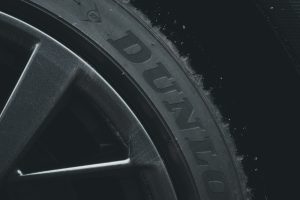
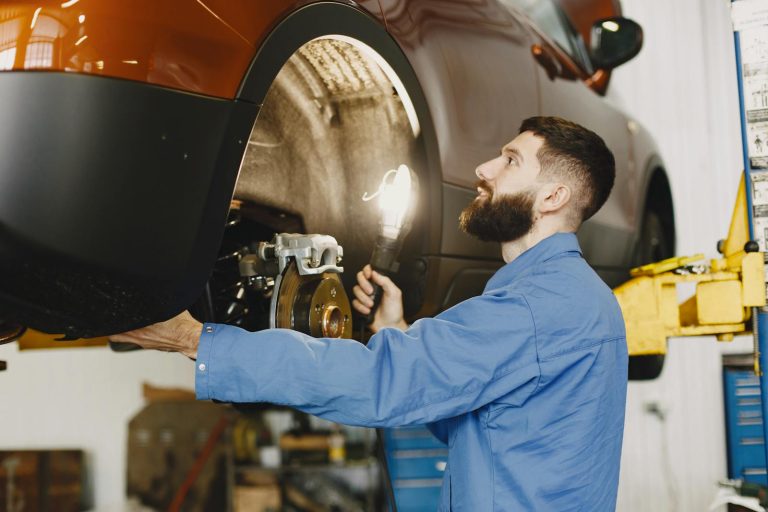
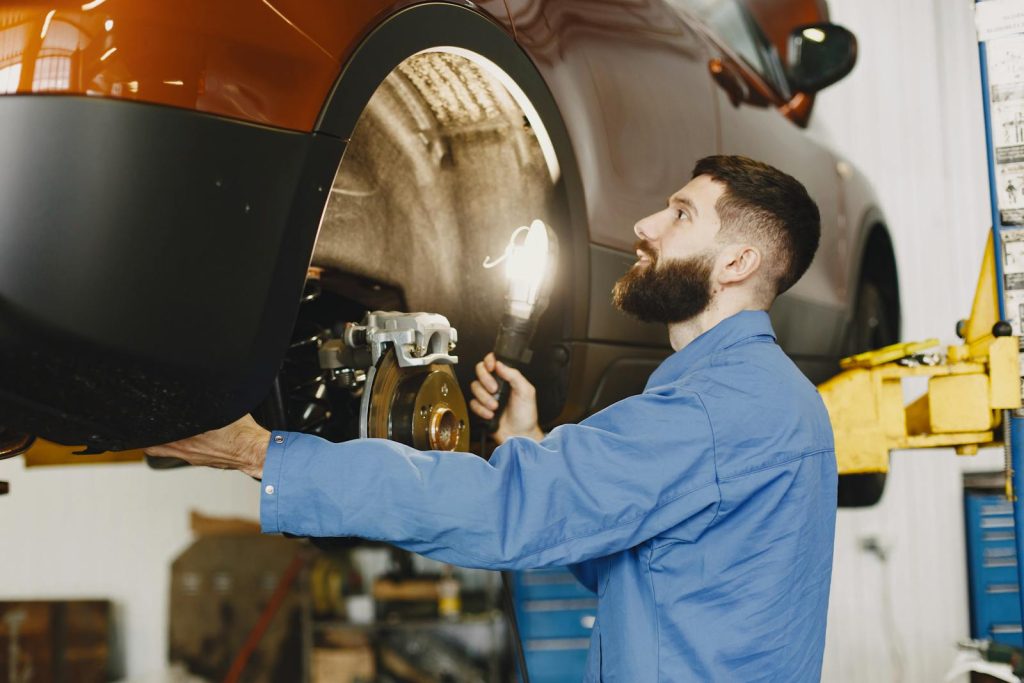
Tires are the only contact between the vehicle and the road. Maintaining correct tire pressure, rotating tires every 5,000–8,000 miles, and checking tread depth prolongs tire life and improves handling. Brake pads and rotors wear predictably; replacing pads before they reach minimum thickness prevents rotor damage and maintains stopping power.
Electrical and Battery Care
Modern vehicles depend on reliable electrical systems. Battery terminals should remain clean and tight, and batteries older than three to five years deserve closer monitoring. Alternator output and starter performance should be tested if you notice dimming lights or slow cranking.
Suspension and Steering
Worn shocks, struts, and bushings degrade ride quality and handling. Inspect suspension components annually or when you notice uneven tire wear, pulling, or excessive bouncing. Proper alignment reduces tire wear and improves fuel efficiency.
Cooling and HVAC Systems
A functioning cooling system prevents engine overheating and premature component failure. Inspect hoses, belts, and the radiator for leaks or deterioration. HVAC maintenance ensures comfort and prevents evaporator or blower motor failures that can be costly to repair.
Routine Maintenance Schedule
A clear schedule helps owners stay on top of preventive tasks. The following timeline is a practical baseline; adjust intervals for severe use such as towing, frequent short trips, or dusty environments.
- Every 3,000–7,500 miles: Check engine oil level and top up as needed; inspect tires and lights.
- Every 7,500–15,000 miles: Replace engine air filter; rotate tires; inspect brakes.
- Every 30,000 miles: Replace transmission fluid if recommended; inspect coolant and flush if needed.
- Every 60,000–100,000 miles: Replace timing belt (if applicable); inspect suspension and steering components.
These ranges reflect common manufacturer guidance and industry practice. Always consult the vehicle’s owner manual for model-specific intervals.
H3: Adapting the Schedule for Severe Use
If you tow heavy loads, drive in extreme heat, or frequently operate in stop-and-go traffic, shorten intervals by 25–50 percent. Severe conditions increase thermal and mechanical stress, accelerating fluid breakdown and component wear.
DIY Checks Versus Professional Service
Many preventive tasks are straightforward and safe for owners to perform. Others require specialized tools and diagnostic equipment. Knowing which tasks to do yourself and when to visit a professional saves money and avoids mistakes.
DIY tasks you can handle:
- Checking and topping off fluids.
- Inspecting tires for tread depth and pressure.
- Replacing wiper blades and air filters.
- Visual inspection for leaks, cracked hoses, or loose belts.
Tasks best left to professionals:
- Transmission service and pressure testing.
- Complex electrical diagnostics and ECU-related repairs.
- Brake system overhauls involving calipers and hydraulic lines.
- Suspension rebuilds and wheel alignment with computerized equipment.
A hybrid approach—doing simple checks at home and scheduling professional inspections annually—offers a balanced, cost-effective strategy.
Seasonal and Environmental Considerations
Climate and environment influence maintenance priorities. Adjust preventive measures to match seasonal demands and local conditions.
Cold Weather
In cold climates, use manufacturer-recommended oil viscosity and allow the engine to warm up briefly before heavy acceleration. Check battery health before winter; cold temperatures reduce cranking power. Consider winter tires if you encounter snow or ice regularly.
Hot Weather
High temperatures accelerate fluid degradation and increase cooling system demands. Inspect coolant levels and radiator condition more frequently. If you tow or carry heavy loads in hot weather, consider an auxiliary transmission cooler.
Dusty or Coastal Environments
Dusty roads clog air filters and accelerate wear on moving parts. Replace filters more often and inspect seals. Coastal areas expose vehicles to salt, which accelerates corrosion; wash the undercarriage regularly and inspect for rust.
Cost Estimates and Budgeting
Preventive maintenance costs vary by vehicle type, region, and service provider. The following estimates provide a realistic framework for budgeting.
- Oil change: $30–$100 depending on oil type and service level.
- Tire rotation and balance: $20–$60.
- Brake pad replacement: $100–$300 per axle.
- Transmission fluid service: $100–$300.
- Coolant flush: $80–$150.
- Timing belt replacement: $300–$1,000 depending on engine complexity.
Investing $200–$600 annually in preventive maintenance can prevent a single major repair that might cost several thousand dollars. Budgeting for routine service reduces the likelihood of unexpected, high-cost repairs.
Common Mistakes to Avoid
Owners sometimes undermine durability through avoidable errors. Recognizing these pitfalls helps maintain vehicle health.
- Ignoring warning lights: A lit indicator often signals a problem that will worsen if left unaddressed.
- Skipping fluid changes: Old fluids lose protective properties and allow corrosion and wear.
- Overlooking tire maintenance: Underinflated or misaligned tires cause uneven wear and reduce fuel efficiency.
- Using incorrect fluids: Substituting the wrong oil or coolant can damage seals and components.
- Delaying repairs: Small issues can cascade into major failures when neglected.
Avoiding these mistakes preserves performance and reduces long-term ownership costs.
Practical Inspection Checklist
Use this checklist before long trips or as part of a monthly routine. It helps you catch issues early and maintain consistent care.
- Check engine oil level and color.
- Inspect coolant level and radiator condition.
- Verify tire pressure and tread depth.
- Test brakes for responsiveness and unusual noises.
- Check battery terminals for corrosion and secure mounting.
- Inspect belts and hoses for cracks or soft spots.
- Ensure lights, signals, and wipers function properly.
Keeping a written log of inspections and services helps track maintenance history and supports resale value.
Tools and Supplies Worth Owning
A small set of tools and supplies enables basic preventive tasks at home. Investing in quality items saves time and reduces the chance of damage.
- Tire pressure gauge and portable air compressor.
- Basic socket set and screwdrivers.
- Jack and jack stands rated for your vehicle’s weight.
- Funnel, drain pan, and gloves for fluid checks.
- Multimeter for basic electrical testing.
- Service manual or access to a reliable online repair database.
These tools cover most routine tasks and allow you to perform safe, effective inspections.
Experience Perspective
Our team has spent years visiting repair shops, observing maintenance procedures, and assisting drivers during roadside incidents. We have seen how timely preventive actions—such as regular oil changes, prompt brake pad replacement, and early coolant system repairs—prevented costly failures and extended vehicle life by tens of thousands of miles. Conversely, we have also documented cases where deferred maintenance led to engine damage, seized components, and total loss of drivability. That hands-on exposure informs the practical recommendations in this article and emphasizes the real-world benefits of a disciplined maintenance routine.
IPreventive Car Maintenance shaped many of the repair decisions we observed, from scheduling services to choosing parts. Our field experience confirms that consistent attention to basic systems yields the best return on investment for vehicle owners.
Choosing a Service Provider
Selecting a trustworthy service provider matters for both quality and cost. Look for shops with clear warranties, positive reviews, and transparent pricing. Ask whether technicians use OEM parts or reputable aftermarket alternatives, and request written estimates before work begins.
A good shop will explain the reasons for recommended services, show you worn parts when relevant, and provide a realistic timeline. For complex systems like transmissions or hybrid drivetrains, choose a specialist with documented experience.
Advanced Tips for Extending Durability
Beyond routine tasks, a few advanced practices further protect vehicle longevity.
- Use high-quality replacement parts for critical systems such as brakes and suspension.
- Maintain consistent service records to support resale and warranty claims.
- Avoid prolonged idling and excessive short trips that prevent full engine warm-up.
- When towing, follow manufacturer limits and use recommended cooling and transmission upgrades.
- Consider periodic professional inspections that include diagnostic scans and pressure tests.
These measures add modest cost but significantly reduce the risk of catastrophic failures.
Checklist for Long-Term Ownership
For owners planning to keep a vehicle for many years, a long-term checklist helps prioritize investments.
- Follow manufacturer service intervals strictly for major items like timing belts and transmission service.
- Replace wear items proactively when they approach end-of-life rather than waiting for failure.
- Address rust and corrosion early with professional treatment.
- Keep the interior and exterior clean to preserve materials and prevent deterioration.
- Reassess ownership costs annually and compare repair expenses to market value when major repairs loom.
A proactive long-term plan keeps a vehicle dependable and minimizes the chance of being sidelined by expensive repairs.
IPreventive Car Maintenance remains the most reliable strategy for preserving vehicle durability and reducing lifetime ownership costs. By combining routine checks, seasonal adjustments, and professional inspections, owners can maintain performance and safety while avoiding many common failures.
Conclusion
Preventive maintenance transforms vehicle ownership from reactive problem-solving into predictable stewardship. A disciplined approach—covering fluids, filters, tires, brakes, electrical systems, and cooling components—extends durability and reduces unexpected expenses. Adopt a maintenance schedule that reflects your driving conditions, perform simple checks at home, and rely on qualified professionals for complex diagnostics and repairs.
Start with a monthly inspection and a written log, budget for routine services, and address warning signs promptly. Over time, these habits preserve performance, enhance safety, and protect resale value. Preventive care is an investment that pays dividends in reliability and peace of mind.
IPreventive Car Maintenance should be part of every vehicle owner’s routine. With consistent attention and informed choices, you can keep your vehicle running smoothly for many years.
Also Read:
Seasonal Car Maintenance Guide For User