
Every modern vehicle relies on a carefully engineered car cooling system to maintain optimal performance and prevent costly damage.
Engines generate immense heat during combustion, and without an effective cooling mechanism, this heat could warp components, reduce efficiency, or even cause complete engine failure.
Understanding how the cooling system works, its components, and its maintenance needs is essential for drivers, mechanics, and car enthusiasts alike.
This article provides a comprehensive breakdown of the cooling system in cars, explaining its purpose, design, and practical maintenance tips.
By the end, you’ll have a clear picture of why this system is one of the most critical aspects of automotive engineering.
How the Car Cooling System Works
The car cooling system is designed to regulate engine temperature by transferring excess heat away from the combustion chamber.
It operates on the principle of heat exchange, using coolant fluid to absorb heat and then dissipate it through the radiator.
Key Steps in the Cooling Process
- Heat Absorption
Coolant circulates through the engine block, absorbing heat produced during combustion. - Heat Transfer
The heated coolant flows to the radiator, where air passing through the fins cools it down. - Temperature Regulation
A thermostat monitors engine temperature, opening or closing to ensure the coolant flows only when necessary. - Recirculation
Once cooled, the fluid returns to the engine, repeating the cycle.
This closed-loop system ensures that the engine operates within a safe temperature range, typically between 195°F and 220°F.
Main Components of the Cooling System
The effectiveness of the car cooling system depends on several interconnected parts, each playing a vital role.
Radiator
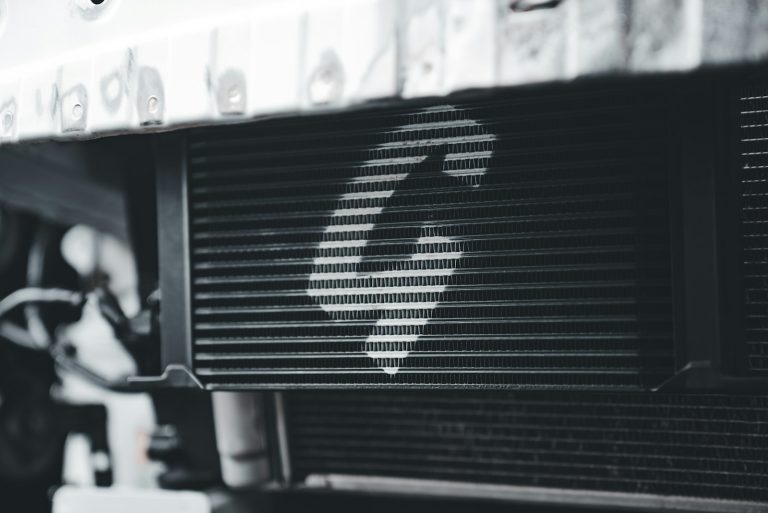
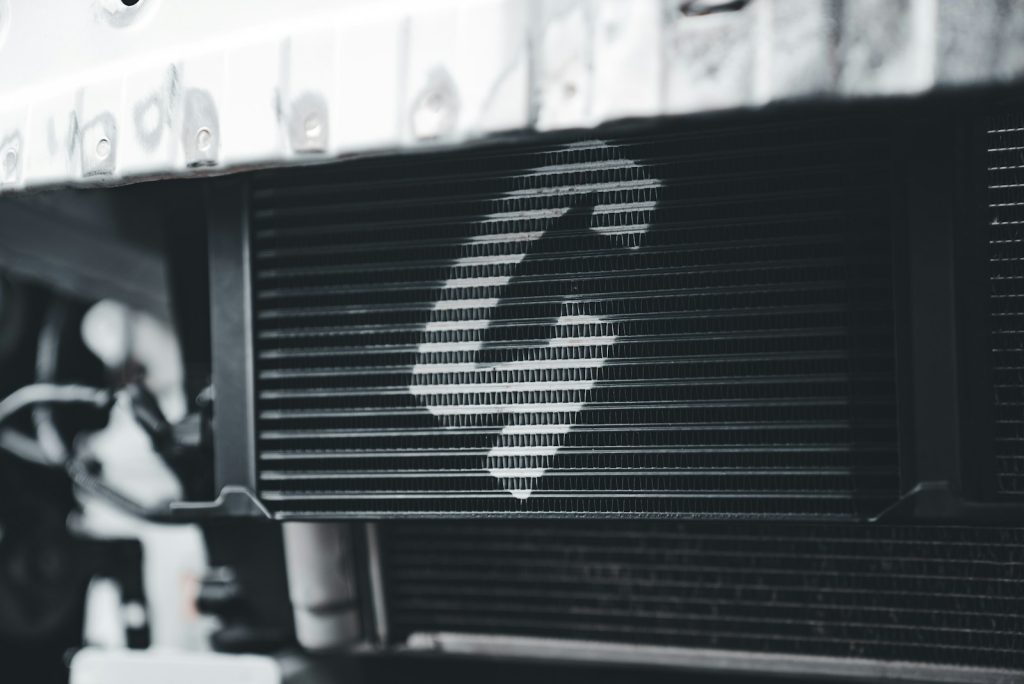
The radiator is the heart of the cooling system. It consists of thin metal fins that maximize surface area, allowing heat to dissipate quickly as air flows through.
Water Pump
The water pump circulates coolant throughout the system. Driven by a belt or chain, it ensures continuous fluid movement.
Thermostat
This small but crucial valve regulates coolant flow based on engine temperature.
If the engine is cold, the thermostat remains closed to help the engine warm up quickly.
Coolant
Coolant, also known as antifreeze, is a mixture of water and ethylene glycol.
It prevents freezing in cold climates and raises the boiling point to handle extreme heat.
Hoses
Rubber hoses connect the radiator, water pump, and engine block, allowing coolant to travel seamlessly.
Cooling Fan
Electric or belt-driven fans provide additional airflow to the radiator, especially when the car is stationary or moving slowly.
Types of Cooling Systems in Cars
While most vehicles use liquid cooling, there are variations worth noting.
Liquid Cooling System
This is the standard system in modern cars. It uses coolant fluid to transfer heat away from the engine.
Its efficiency and reliability make it the preferred choice for passenger vehicles.
Air Cooling System
Found in older models and motorcycles, air cooling relies on fins attached to the engine block.
Airflow dissipates heat directly without coolant. Though simpler, it is less effective for high-performance engines.
Hybrid Cooling Systems
Some advanced vehicles combine liquid and air cooling for maximum efficiency, especially in performance or electric cars.
Common Problems in Car Cooling Systems
Even the best-designed systems can face issues. Recognizing these problems early can save drivers from expensive repairs.
- Coolant Leaks: Often caused by worn hoses, gaskets, or radiator damage.
- Overheating: May result from a faulty thermostat, low coolant levels, or a failing water pump.
- Radiator Blockage: Dirt, rust, or debris can clog the radiator, reducing efficiency.
- Fan Failure: A broken fan motor or relay can prevent proper airflow.
- Corrosion: Over time, coolant can degrade, leading to rust inside the system.
Maintenance Tips for a Healthy Cooling System
Proper maintenance ensures the car cooling system functions reliably for years.
Regular Checks
- Inspect coolant levels monthly.
- Look for leaks around hoses and the radiator.
- Monitor temperature gauge while driving.
Coolant Replacement
Coolant should be flushed and replaced every 30,000 to 50,000 miles, depending on manufacturer recommendations.
Radiator Cleaning
Ensure the radiator fins are free from dirt and debris. Compressed air or gentle washing can help.
Professional Inspection
Annual inspections by a mechanic can detect hidden issues before they escalate.
Experience Angle: Insights from the Field
As a team that has worked extensively with automotive inspections, we’ve seen firsthand how critical the cooling system is.
In many cases, customers bring in vehicles with overheating issues, only to discover that a simple coolant flush or hose replacement solves the problem.
Conversely, neglecting this system often leads to warped cylinder heads or blown gaskets—repairs that can cost thousands of dollars.
Our experience reinforces the importance of proactive maintenance and education for car owners.
The Role of Cooling Systems in Modern Cars
Today’s vehicles are more powerful and efficient than ever, which places greater demands on the cooling system.
Turbocharged engines, hybrid systems, and electric vehicles all require specialized cooling solutions.
Electric Vehicle Cooling
EVs use cooling systems to regulate battery temperature.
Overheating can reduce battery life and performance, making cooling just as vital as in combustion engines.
Performance Cars
High-performance vehicles often feature advanced radiators, intercoolers, and multiple fans to handle extreme heat during racing or heavy driving.
Signs Your Cooling System Needs Attention
Drivers should watch for warning signs that indicate cooling system trouble:
- Steam rising from the hood
- Sweet smell of leaking coolant
- Temperature gauge consistently running high
- Visible puddles of coolant under the car
Ignoring these symptoms can lead to catastrophic engine damage.
Conclusion
The car cooling system is more than just a collection of parts—it’s a safeguard against engine failure.
By regulating temperature, it ensures efficiency, longevity, and safety.
Understanding its components, common issues, and maintenance practices empowers drivers to take better care of their vehicles.
Whether you drive a compact sedan, a performance car, or an electric vehicle, the cooling system remains one of the most vital aspects of automotive engineering.
Regular maintenance and awareness can prevent costly repairs and keep your car running smoothly for years to come.
Also Read: