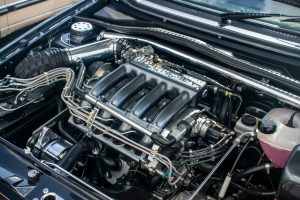
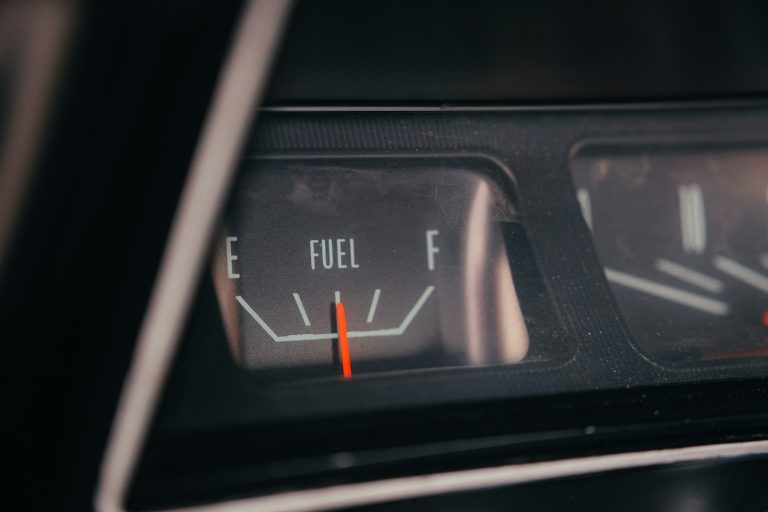
The car fuel system is one of the most critical aspects of any vehicle’s operation.
It ensures that fuel is stored, filtered, delivered, and mixed with air before combustion occurs inside the engine.
Without a properly functioning fuel system, a car cannot run efficiently, and in many cases, it may not run at all.
Understanding the components and functions of the car fuel system helps drivers, mechanics, and enthusiasts appreciate how modern vehicles achieve performance, efficiency, and reliability.
In this article, we will explore the main components of the car fuel system, their roles, and how they work together to keep the engine running smoothly.
We will also discuss common issues, maintenance tips, and the evolution of fuel systems over time.
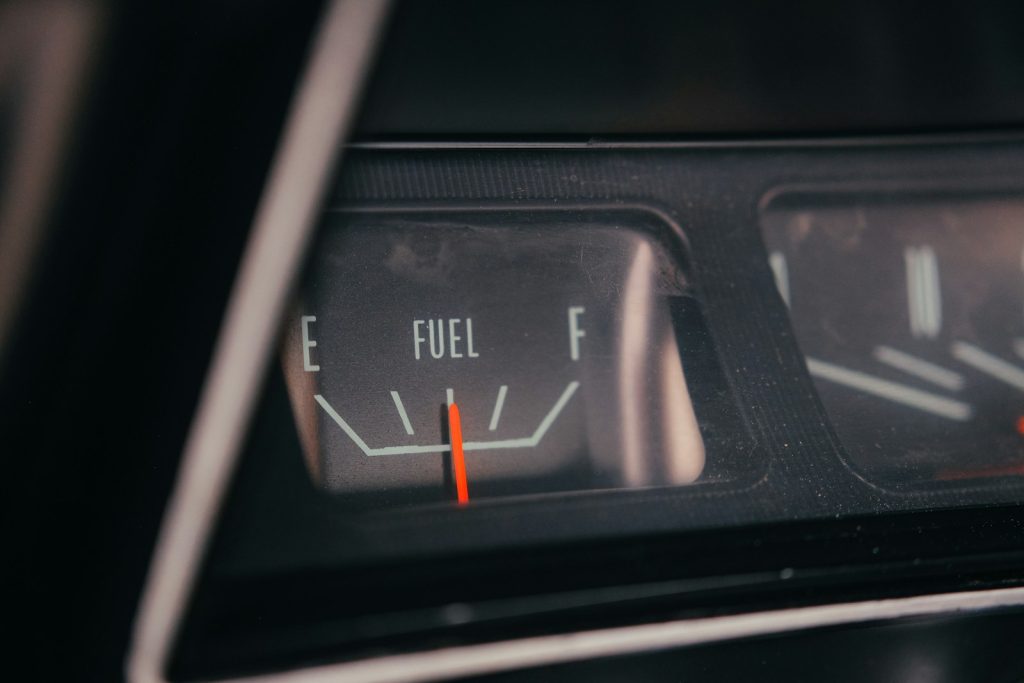
Fuel Tank: The Starting Point
The fuel tank is the primary storage unit for gasoline or diesel. It is designed to safely contain fuel while minimizing evaporation and leaks.
Modern fuel tanks are typically made of steel or high-density plastic, with internal baffles to prevent fuel sloshing during movement.
Functions of the Fuel Tank
- Stores fuel securely until it is needed.
- Contains a fuel pump or fuel sender unit.
- Equipped with a venting system to manage pressure changes.
A well-maintained fuel tank ensures that the car fuel system begins with clean, uncontaminated fuel.
Any damage or leaks can compromise safety and efficiency.
Fuel Pump: Delivering Energy
The fuel pump is responsible for moving fuel from the tank to the engine.
Depending on the vehicle design, pumps can be mechanical (common in older carbureted engines) or electric (standard in modern fuel-injected systems).
Also Read: Understanding How Car Engines Work
Key Roles of the Fuel Pump
- Maintains consistent fuel pressure.
- Ensures adequate fuel supply under varying driving conditions.
- Works in coordination with sensors to optimize delivery.
Electric fuel pumps are usually located inside the fuel tank, which helps keep them cool and reduces the risk of vapor lock.
Mechanical pumps, on the other hand, are driven by the engine’s camshaft.
Fuel Filter: Keeping Fuel Clean
Fuel filters play a vital role in protecting the engine from contaminants such as dirt, rust, and debris.
Clean fuel is essential for efficient combustion and preventing damage to injectors or carburetors.
Importance of Fuel Filters
- Prevents clogging of injectors.
- Extends the life of the fuel pump.
- Improves engine performance and efficiency.
Most modern cars use inline fuel filters located along the fuel line, while some designs integrate filters into the fuel pump assembly.
Regular replacement is crucial to maintain the health of the car fuel system.
Fuel Injectors and Carburetors: Mixing Fuel and Air
The delivery of fuel into the combustion chamber is one of the most critical processes in the car fuel system.
Older vehicles relied on carburetors, while modern cars use fuel injectors.
Carburetors
Carburetors mix fuel and air mechanically before sending it into the engine.
They were widely used until the 1980s but have largely been replaced due to inefficiency and emissions concerns.
Fuel Injectors
Fuel injectors spray precise amounts of fuel directly into the intake manifold or combustion chamber.
Controlled by the engine control unit (ECU), injectors ensure optimal air-fuel ratios for performance and emissions.
Benefits of fuel injectors include:
- Better fuel economy.
- Reduced emissions.
- Improved throttle response.
Fuel Lines: The Pathway
Fuel lines are the conduits that transport fuel from the tank to the engine.
They are typically made of steel, aluminum, or reinforced rubber to withstand pressure and prevent leaks.
Functions of Fuel Lines
- Provide a secure path for fuel delivery.
- Resist corrosion and wear.
- Maintain pressure consistency.
Any damage or leaks in fuel lines can lead to dangerous situations, including fire hazards. Routine inspection is essential.
Fuel Pressure Regulator: Balancing Flow
The fuel pressure regulator ensures that fuel pressure remains within the required range for efficient engine operation.
It prevents excess fuel from flooding the injectors and maintains balance across the system.
How It Works
- Monitors fuel pressure in the rail.
- Returns excess fuel to the tank.
- Works with sensors to adjust delivery.
A faulty regulator can cause poor performance, rough idling, or excessive fuel consumption.
Air Intake and Sensors: Supporting Combustion
While not always considered part of the fuel system, air intake and sensors play a crucial role in ensuring the right mixture of fuel and air.
Key Sensors
- Mass Air Flow (MAF) sensor: Measures air entering the engine.
- Oxygen sensor: Monitors exhaust gases to adjust fuel delivery.
- Throttle position sensor: Helps regulate air-fuel mixture during acceleration.
Together, these sensors allow the ECU to fine-tune the car fuel system for maximum efficiency.
Common Issues in Car Fuel Systems
Even with advanced technology, fuel systems can develop problems. Some common issues include:
- Clogged fuel filters.
- Failing fuel pumps.
- Leaking fuel lines.
- Dirty injectors.
- Faulty sensors.
Symptoms of Fuel System Problems
- Difficulty starting the engine.
- Poor acceleration.
- Reduced fuel economy.
- Engine misfires.
Regular maintenance and timely replacement of components can prevent these issues.
Maintenance Tips for Fuel Systems
Maintaining the car fuel system is essential for long-term performance. Here are practical tips:
- Replace fuel filters every 20,000–40,000 miles.
- Use high-quality fuel to reduce contamination.
- Inspect fuel lines for leaks or corrosion.
- Clean injectors periodically.
- Monitor sensor performance with diagnostic tools.
Evolution of Car Fuel Systems
Fuel systems have evolved significantly over the decades.
Carburetors dominated early automotive design, but fuel injection systems revolutionized efficiency and emissions control.
Today, direct injection and hybrid technologies continue to push boundaries.
Modern Trends
- Direct fuel injection for improved power.
- Turbocharging combined with precise fuel delivery.
- Integration with hybrid and electric systems.
These advancements highlight the importance of the car fuel system in achieving sustainability and performance.
Professional Experience Perspective
As a team that has worked closely with automotive inspection and diagnostics, we have seen firsthand how critical the fuel system is to vehicle reliability.
Many inspection cases reveal that neglected fuel filters or failing pumps are the root cause of performance issues.
By addressing these components early, drivers can avoid costly repairs and ensure their vehicles remain safe and efficient.
Conclusion
The car fuel system is a complex network of components working together to deliver fuel efficiently and safely to the engine.
From the fuel tank to injectors, each part plays a vital role in ensuring smooth operation.
Understanding these components helps drivers appreciate the engineering behind their vehicles and encourages proper maintenance.
By keeping the fuel system clean, well-maintained, and monitored, car owners can enjoy better performance, improved fuel economy, and longer engine life.
As technology continues to evolve, the car fuel system will remain at the heart of automotive innovation.
Also Read: