
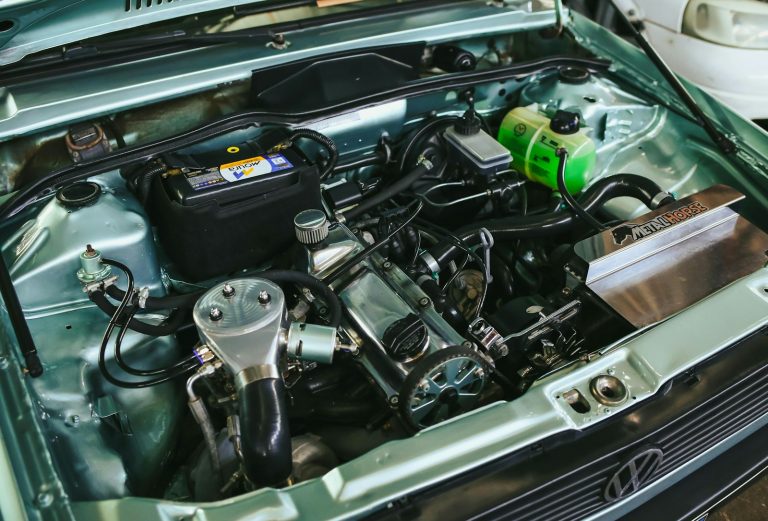
Modern vehicles may look simple from the outside, but beneath the body panels lies a complex network of systems working together.
For drivers, students, or automotive enthusiasts, understanding how these components interact creates a deeper appreciation for vehicle performance and safety.
Learning about car parts and functions is not only educational but also practical for everyday ownership.
Many people drive for years without knowing what actually keeps their car running smoothly.
This lack of understanding often leads to confusion during repairs or maintenance discussions.
When you recognize the purpose of each major component, decision-making becomes easier and more cost-effective.
This article provides a clear, structured explanation of essential automotive components and what they do.
Each section focuses on a specific system, breaking it down in a way that is informative yet easy to understand for beginners and intermediate readers alike.
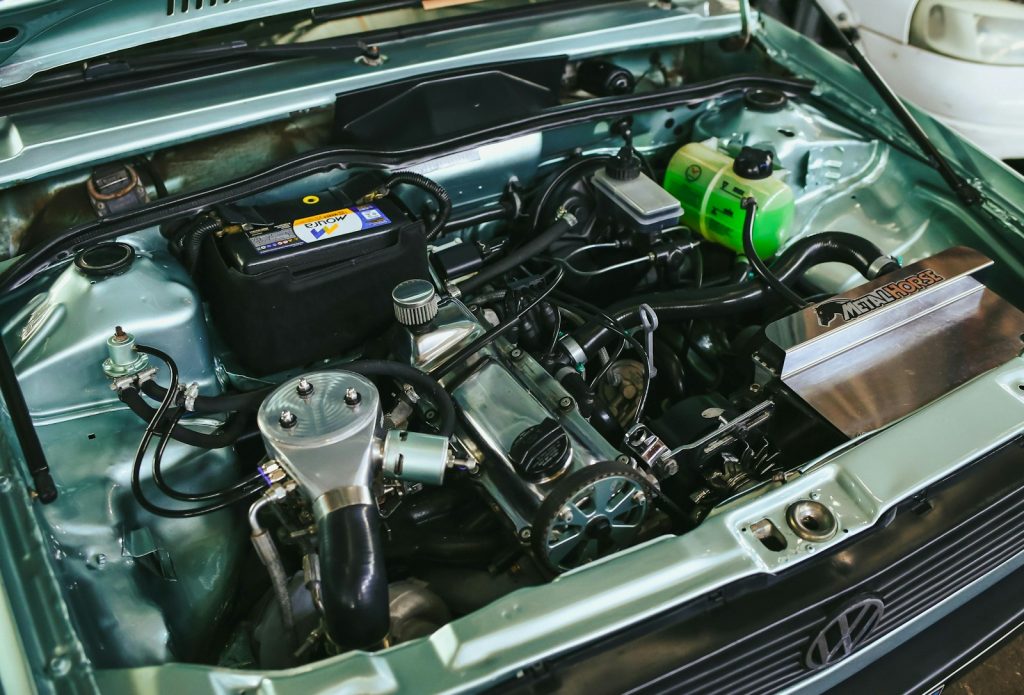
Engine Components and Power Generation
The engine is the core of any vehicle. Its primary role is converting fuel into mechanical energy that powers the car.
Internal combustion engines achieve this through controlled explosions inside cylinders, creating force that turns the crankshaft.
Understanding engine-related car parts and functions helps drivers recognize early warning signs of trouble and communicate better with technicians.
1. Cylinder Block and Pistons
The cylinder block is the engine’s main structure. It houses the cylinders where pistons move up and down.
Pistons compress the air-fuel mixture, allowing combustion to occur efficiently.
Most passenger cars have four to six cylinders, although high-performance vehicles may have eight or more.
Damage to pistons or cylinders can lead to reduced power and increased fuel consumption.
2. Crankshaft and Camshaft
The crankshaft converts the pistons’ vertical motion into rotational energy, which eventually turns the wheels.
Meanwhile, the camshaft controls the opening and closing of intake and exhaust valves.
These components must remain precisely synchronized. Even a small timing error can reduce engine efficiency or cause serious mechanical damage.
3. Fuel and Air Intake System
The fuel system delivers gasoline or diesel to the engine, while the air intake system supplies oxygen. Together, they create the correct mixture for combustion.
Fuel injectors spray fuel in controlled amounts, while air filters prevent dust and debris from entering the engine.
Replacing an air filter typically costs under $30 and can improve fuel efficiency by up to 10 percent.
Drivetrain and Power Transmission
Once the engine generates power, that energy must reach the wheels.
This process is handled by the drivetrain, which includes several interconnected components.
Understanding this system clarifies how car parts and functions translate engine power into movement.
Transmission System
The transmission controls gear ratios, allowing the car to operate efficiently at different speeds.
Manual transmissions require driver input, while automatic transmissions shift gears on their own.
A well-maintained transmission can last over 150,000 miles.
However, neglecting fluid changes can reduce its lifespan significantly, often leading to repairs costing several thousand dollars.
Driveshaft and Differential
In rear-wheel and all-wheel-drive vehicles, the driveshaft transfers power from the transmission to the differential.
The differential then distributes power to the wheels while allowing them to rotate at different speeds during turns.
This system improves handling and reduces tire wear, especially when cornering.
Axles and CV Joints
Axles connect the differential to the wheels. Constant velocity (CV) joints allow axles to flex as the suspension moves.
Damaged CV joints often produce clicking noises during turns.
Replacing them early is far less expensive than waiting for complete failure.
Braking, Suspension, and Steering Systems
Safety and comfort depend heavily on braking, suspension, and steering components.
These systems control how the car stops, absorbs road impacts, and responds to driver input.
Learning about these car parts and functions improves both driving confidence and safety awareness.
Braking System Components
The braking system includes brake pads, rotors, calipers, and brake fluid.
When the brake pedal is pressed, hydraulic pressure forces pads against rotors, slowing the vehicle.
Brake pads typically last between 30,000 and 70,000 miles.
Ignoring worn pads can damage rotors, increasing repair costs from around $250 to over $800.
Suspension System
Suspension components such as shocks, struts, and springs absorb bumps and maintain tire contact with the road.
A healthy suspension system improves ride comfort and handling stability.
Worn shocks can increase stopping distance and cause uneven tire wear.
Most suspension components last about 50,000 miles under normal driving conditions.
Steering Mechanism
The steering system allows the driver to control the vehicle’s direction.
Power steering systems, whether hydraulic or electric, reduce the effort needed to turn the wheel.
If steering feels heavy or makes noise, it often signals low fluid or worn components that require inspection.
Electrical and Electronic Systems
Modern vehicles rely heavily on electronics. From starting the engine to powering safety features, electrical systems play a critical role.
A clear understanding of car parts and functions in this area is especially useful as vehicles become more technologically advanced.
Battery and Charging System
The battery provides the initial power to start the engine and supports electrical systems when the engine is off.
The alternator recharges the battery while the engine runs.
Most car batteries last three to five years. Replacement costs typically range from $100 to $250, depending on capacity and brand.
Sensors and Control Units
Electronic control units (ECUs) process data from sensors and adjust engine performance accordingly.
These systems optimize fuel efficiency, emissions, and safety.
Faulty sensors can trigger warning lights and reduce performance.
Diagnostic scans help identify issues quickly and accurately.
Lighting and Safety Electronics
Lighting systems include headlights, brake lights, and indicators.
Advanced vehicles also feature driver-assistance systems such as lane-keeping alerts and adaptive cruise control.
Maintaining these components ensures visibility and compliance with road safety regulations.
Interior and Exterior Components
Beyond mechanical systems, a vehicle’s interior and exterior components contribute to comfort, usability, and protection.
Recognizing these car parts and functions highlights how design and engineering improve the driving experience.
Interior Features and Controls
Interior components include seats, dashboard controls, infotainment systems, and climate control.
These features enhance comfort and driver convenience.
Climate control systems regulate temperature using a combination of compressors, fans, and refrigerant.
Servicing an air conditioning system can cost between $150 and $400, depending on the issue.
Exterior Body and Panels
Exterior panels protect internal components and improve aerodynamics.
Materials such as aluminum and high-strength steel balance durability and weight reduction.
Well-maintained body components also preserve resale value and corrosion resistance.
Glass, Mirrors, and Visibility
Windshields, windows, and mirrors provide visibility and structural support.
Modern windshields often include sensors and heating elements.
Replacing a windshield typically costs $200 to $500, depending on vehicle type and technology integration.
Common Wear-and-Tear Parts to Monitor
Some components naturally wear out faster than others. Monitoring them regularly reduces the risk of unexpected breakdowns and costly repairs.
Key examples include:
- Brake pads and rotors
- Tires and wheel bearings
- Belts and hoses
- Wiper blades and filters
These items are often inexpensive individually but critical for safety and reliability.
Understanding their car parts and functions allows owners to plan maintenance proactively.
Experience from the Field
This article reflects insights gathered from years of observing automotive repair environments and vehicle inspections.
Our team has spent time reviewing service records, speaking with technicians, and examining common failure points across different vehicle models.
One clear takeaway is that owners who understand component roles tend to maintain their cars more consistently and communicate more effectively during servicing.
We have seen how basic knowledge prevents unnecessary repairs and builds trust between drivers and professionals.
This hands-on exposure reinforces the value of learning systems, not just symptoms.
Conclusion
A vehicle is far more than a mode of transportation. It is a carefully engineered system made up of interconnected components, each with a specific purpose.
By learning about car parts and functions, drivers gain clarity, confidence, and control over their automotive decisions.
From the engine and drivetrain to electronics and interior features, every system contributes to performance, safety, and comfort.
Understanding these elements reduces uncertainty, improves maintenance habits, and enhances long-term ownership satisfaction.
With this foundational knowledge, readers are better equipped to care for their vehicles, ask informed questions, and recognize issues before they escalate.
In an increasingly complex automotive world, informed drivers remain the most empowered ones.
Also Read: Function of Car Body Panels and Examples of Panels