
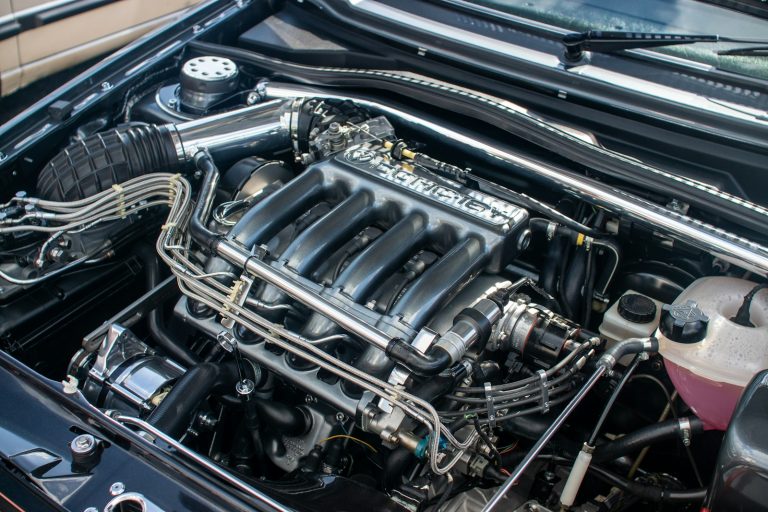
For many drivers, the engine is simply the part of the car that makes it move. Yet beneath the hood lies a complex system of components working together with remarkable precision. Learning how car engines work not only satisfies curiosity but also helps vehicle owners make better maintenance decisions and understand why certain problems occur.
Modern vehicles are designed to be reliable and efficient, but they still rely on mechanical principles that have existed for more than a century. By breaking these principles down into simple concepts, anyone can gain a clearer picture of what happens every time the ignition is turned. This article explores the core mechanisms, key components, and real-world considerations behind automotive engines.
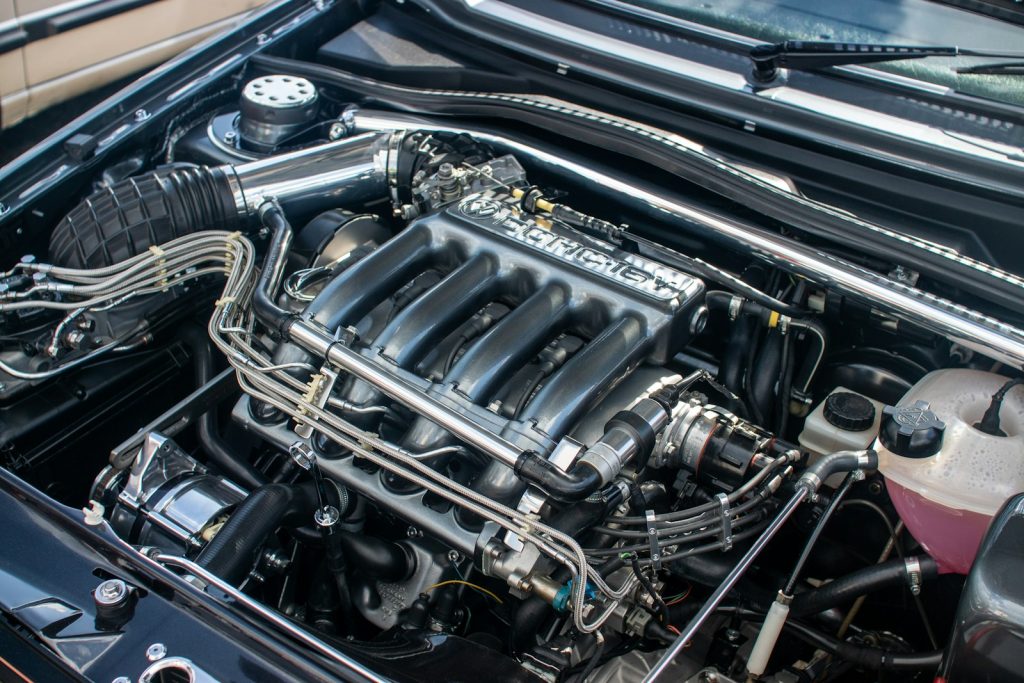
The Basic Principle Behind a Car Engine
At its core, an engine converts fuel into motion. Understanding how car engines work starts with recognizing that this process is essentially controlled combustion. Fuel is burned inside the engine in a way that pushes mechanical parts, creating power that ultimately turns the wheels.
Most passenger vehicles today use internal combustion engines. These engines generate power by igniting a mixture of fuel and air inside enclosed cylinders. The energy released from this explosion is converted into rotational force, known as torque.
The Four-Stroke Cycle Explained
The majority of gasoline engines operate on a four-stroke cycle, which includes:
- Intake: Air and fuel enter the cylinder
- Compression: The mixture is compressed tightly
- Combustion: A spark ignites the mixture
- Exhaust: Burned gases exit the cylinder
This cycle repeats thousands of times per minute. At highway speeds, a typical engine may complete over 2,000 revolutions per minute, illustrating just how fast these processes occur.
Energy Conversion in Simple Terms
Chemical energy stored in fuel is transformed into thermal energy through combustion. That thermal energy then becomes mechanical energy when it forces pistons to move. Finally, this motion is transferred through the drivetrain to move the vehicle forward.
Also Read: How to Maintain Car Engine Performance Tips
Key Components That Make Engines Function
To truly grasp how car engines work, it is essential to understand the main components involved and the role each one plays. Every part must operate in harmony for the engine to perform efficiently.
Cylinders, Pistons, and Crankshaft
Cylinders house the pistons, which move up and down during combustion. These pistons are connected to the crankshaft, a rotating shaft that converts linear motion into rotational motion. This rotation is what eventually drives the wheels.
Most common cars have four, six, or eight cylinders. A four-cylinder engine typically balances fuel efficiency and performance, while larger engines provide more power at the cost of higher fuel consumption.
Valves and Camshaft
Valves control the flow of air and fuel into the cylinder and allow exhaust gases to escape. The camshaft times the opening and closing of these valves with extreme precision. Even a slight timing error can reduce efficiency or cause serious engine damage.
Fuel Delivery and Ignition Systems
Fuel injectors spray precise amounts of fuel into the engine, while spark plugs ignite the air-fuel mixture. Modern electronic control units adjust this process hundreds of times per second to optimize performance, emissions, and fuel economy.
How Different Types of Engines Operate
While the basic concept remains similar, not all engines function exactly the same. Exploring how car engines work across different designs reveals why some vehicles prioritize efficiency while others focus on power.
Gasoline vs Diesel Engines
Gasoline engines rely on spark plugs to ignite fuel, whereas diesel engines use high compression to cause combustion. Diesel engines often deliver better fuel economy and torque, especially for trucks and long-distance driving.
However, gasoline engines usually offer smoother acceleration and lower upfront costs. This is why they remain dominant in passenger vehicles worldwide.
Hybrid and Modern Engine Variations
Hybrid engines combine internal combustion with electric motors. At low speeds, the electric motor may handle most of the work, reducing fuel consumption. At higher speeds, the engine takes over or works alongside the motor.
Advancements such as turbocharging and direct fuel injection have also changed how engines perform. Turbochargers can increase power output by 20–40 percent without increasing engine size.
Supporting Systems That Keep Engines Running
Beyond the main mechanical parts, several supporting systems ensure smooth and safe operation. Knowing how car engines work means recognizing the importance of these often-overlooked elements.
Cooling System
Engines generate extreme heat, often exceeding 2,000 degrees Celsius during combustion. The cooling system circulates coolant to absorb and dissipate this heat, preventing overheating and component failure.
Lubrication System
Oil reduces friction between moving parts, minimizing wear and extending engine life. Most engines require an oil change every 5,000 to 10,000 kilometers, depending on design and driving conditions.
Exhaust and Emission Control
The exhaust system channels burned gases away from the engine while reducing noise and harmful emissions. Catalytic converters play a key role by transforming toxic gases into less harmful substances before they exit the tailpipe.
Industry Insight from Real-World Experience
From years of observing vehicle testing, maintenance workshops, and long-term performance evaluations, our team has seen firsthand how understanding how car engines work impacts ownership decisions. Vehicles with regular servicing and informed use consistently show longer engine life, often exceeding 300,000 kilometers without major repairs.
We have also noted that many engine failures are not caused by design flaws but by neglected maintenance, such as delayed oil changes or ignoring warning lights. This real-world exposure reinforces the value of basic engine knowledge for everyday drivers.
Common Misconceptions About Car Engines
Despite widespread use, misconceptions persist about engines. One common belief is that idling warms up modern engines faster. In reality, gentle driving for the first few minutes is more effective and efficient.
Another myth is that higher-octane fuel always improves performance. Unless an engine is specifically designed for it, premium fuel offers no measurable benefit and only increases running costs.
Why Engine Knowledge Matters for Car Owners
Understanding how car engines work empowers drivers to communicate better with mechanics, recognize early warning signs, and make smarter purchasing decisions. Even basic awareness can prevent unnecessary expenses and downtime.
For example, recognizing unusual engine noises or changes in fuel efficiency can prompt timely inspections. Early intervention often costs significantly less than repairing severe damage later.
Conclusion
Car engines are remarkable systems that blend physics, chemistry, and engineering into a compact power source. By exploring how car engines work, drivers gain insight into the forces that move their vehicles every day and the importance of proper care.
With regular maintenance and informed use, modern engines are capable of delivering reliable performance for many years. A basic understanding not only enhances appreciation but also leads to smarter, more confident vehicle ownership.
Also Read: The Ultimate Car Maintenance Guide