A flawless car paint finish is more than just visual appeal. It reflects craftsmanship, care, and value. Yet even freshly painted vehicles can show an uneven, textured surface that looks similar to the skin of an orange. This issue, widely known as the Orange Peel Effect in Car Paint, is one of the most common paint defects in automotive refinishing.
For car owners, this texture can be frustrating, especially when it appears after a repaint or restoration project. For professionals, it represents a technical challenge that requires precision, experience, and proper equipment. Understanding why it happens and how to deal with it is essential for anyone serious about automotive appearance.
This article explains the problem in depth, from root causes to practical fixes. Whether you are a car enthusiast, detailer, or workshop owner, the insights below will help you make informed decisions.
What Is the Orange Peel Effect in Automotive Finishes
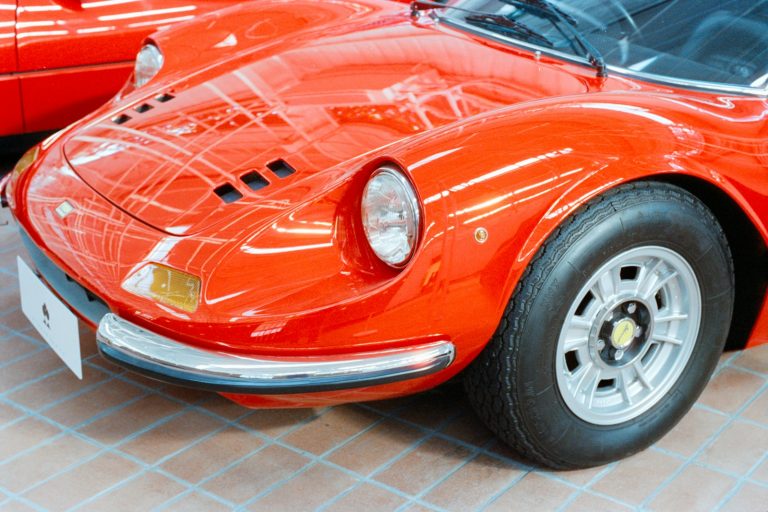
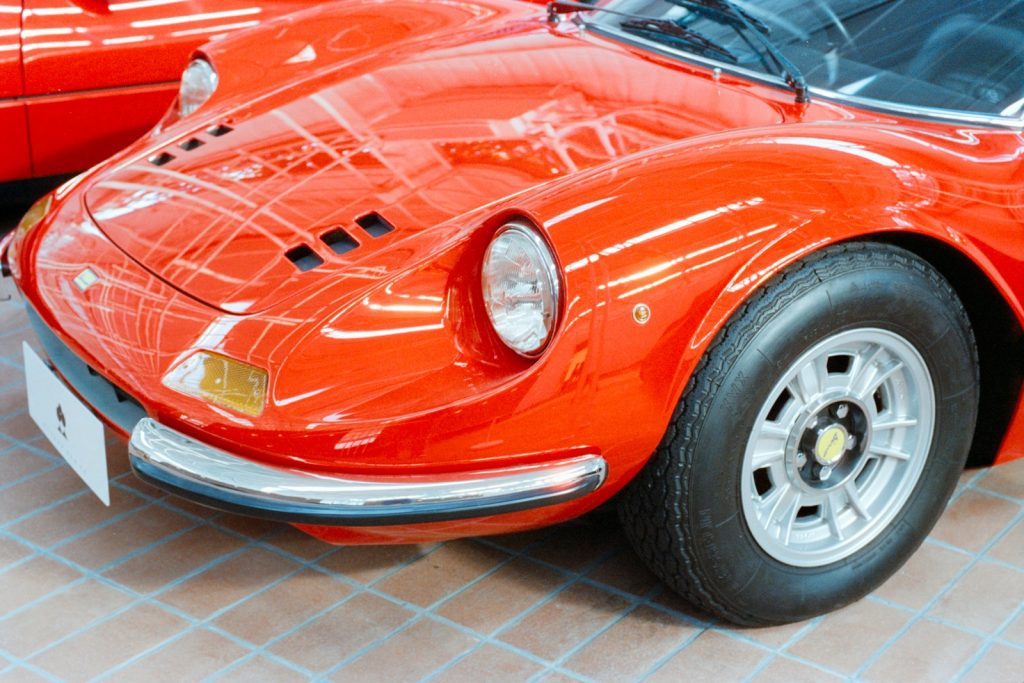
The Orange Peel Effect in Car Paint refers to a bumpy or wavy surface texture that prevents light from reflecting evenly. Instead of a smooth mirror-like finish, the paint appears slightly dimpled, resembling citrus peel.
This texture can be subtle or severe. In mild cases, it is only visible under direct sunlight or inspection lights. In more extreme situations, it can be felt by touch and significantly reduce gloss clarity.
How It Affects Appearance and Value
Paint texture impacts how light travels across the surface. When the paint is uneven, reflections become distorted. This reduces depth, gloss, and overall visual quality.
From a resale perspective, buyers often associate textured paint with poor workmanship or rushed repairs. Even if the vehicle is mechanically sound, cosmetic flaws can lower perceived value by hundreds or even thousands of dollars.
Common Causes of Uneven Paint Texture
The Orange Peel Effect in Car Paint does not come from a single mistake. It usually results from a combination of factors during preparation, spraying, and curing.
1. Improper Spray Gun Settings
Spray guns must be precisely adjusted. Incorrect air pressure or fluid flow causes paint droplets to land unevenly on the surface. Too much pressure can dry the paint before it levels. Too little pressure creates larger droplets that fail to spread evenly.
2. Incorrect Paint Viscosity
Paint that is too thick will not flow smoothly. On the other hand, overly thinned paint can run or sag. Manufacturers usually specify precise mixing ratios. Ignoring these guidelines is a common source of texture issues.
3. Environmental Conditions
Temperature and humidity play a major role. Cold conditions slow down paint flow, while excessive heat can cause rapid drying. High humidity can trap moisture in the paint film, further reducing leveling ability.
4. Poor Application Technique
Inconsistent gun distance or overlapping patterns can create uneven layers. Beginners often spray too far from the panel, causing the paint to dry mid-air. Professional painters maintain steady motion and consistent overlap, usually around 70 percent per pass.
Why Some Paint Systems Are More Prone Than Others
Certain modern paint systems are more susceptible to the Orange Peel Effect in Car Paint, especially high-solid clear coats. High-solid formulations contain less solvent. While they are more environmentally friendly and durable, they require precise control to level properly.
Factory Paint vs Repaint Jobs
Factory paint jobs often show mild texture by design. Manufacturers prioritize durability and production speed over absolute smoothness. Custom repaint jobs aim for higher visual standards. Ironically, this makes texture more noticeable when mistakes occur.
Clear Coat Thickness
Clear coat applied too thickly traps solvents underneath. As the solvents escape during curing, the surface can distort slightly. Most professionals aim for 40–60 microns of clear coat thickness per layer.
How to Prevent Texture Issues Before They Happen
Preventing the Orange Peel Effect in Car Paint is far easier and cheaper than fixing it afterward. Proper planning and discipline make a significant difference.
Best Practices for Painters
- Use manufacturer-recommended mixing ratios
- Test spray patterns before applying to the vehicle
- Maintain stable booth temperatures between 20–25°C
- Keep spray gun distance consistent, usually 15–20 cm
Importance of Surface Preparation
Even the best paint cannot compensate for poor preparation. Panels must be clean, smooth, and properly primed. Dust, grease, or sanding marks can disrupt paint flow and create uneven texture.
Methods to Fix Orange Peel After Painting
Once the Orange Peel Effect in Car Paint appears, there are several correction options. The choice depends on severity, budget, and desired results.
Wet Sanding
Wet sanding removes the high spots of the textured surface. Professionals typically start with 1500 or 2000 grit sandpaper and refine up to 3000 grit. This process requires patience and control to avoid cutting through the clear coat.
Machine Polishing
After sanding, machine polishing restores gloss. A dual-action or rotary polisher with cutting and finishing compounds is used. A full correction can take 4–8 hours for a standard sedan.
Repainting in Severe Cases
If texture is extremely deep, repainting may be the only solution. This involves sanding back the clear coat and reapplying it correctly. Repainting costs can range from USD 300 for a single panel to over USD 3,000 for a full vehicle.
DIY vs Professional Repair: What You Should Know
Many car owners attempt to fix the Orange Peel Effect in Car Paint themselves. While minor cases are manageable, there are risks. DIY correction can save money but often lacks consistency. Uneven sanding pressure or improper polishing can create swirl marks or burn-through.
Professionals bring experience, proper lighting, and calibrated tools. For high-end vehicles or show cars, professional correction is usually the safer option. As a general rule, if the paint defect covers more than 30 percent of a panel, professional repair is recommended.
Real-World Experience from the Field
Our team has inspected and documented dozens of vehicles with the Orange Peel Effect in Car Paint, ranging from daily drivers to premium restorations. In many cases, the issue was not obvious at first glance but became clear under inspection lights.
One consistent finding was that rushed drying times and poor booth ventilation were major contributors. Vehicles corrected by experienced detailers showed up to a 40 percent improvement in gloss readings after proper leveling and polishing.
This hands-on exposure reinforces how critical process control is at every stage of painting.
Long-Term Impact on Paint Durability
Beyond appearance, the Orange Peel Effect in Car Paint can affect durability. Uneven surfaces are more prone to dirt accumulation and uneven UV exposure.
Over time, this can lead to faster clear coat degradation. Regular washing and protective coatings help, but they cannot fully compensate for structural texture issues.
Applying ceramic coatings after correction can extend paint life by 2–5 years, depending on maintenance.
Conclusion
The Orange Peel Effect in Car Paint is a common yet preventable issue that affects both aesthetics and value. It results from a mix of technical, environmental, and human factors during the painting process.
Understanding its causes allows car owners and professionals to prevent it through better preparation and technique. When it does appear, options like wet sanding, polishing, or repainting can restore surface quality if done correctly.
A smooth paint finish is not just about looks. It reflects attention to detail, professionalism, and respect for craftsmanship. With the right knowledge and approach, achieving that flawless surface is entirely possible.
You May Also Like: